Manufacturing.

Manufacturing.

Manufacturing.

Equipped with 44 presses, Record Industry is one of the largest and most automated vinyl pressing plants in the world. We offer a comprehensive one-stop-shop: from cutting the master on lacquer or DMM to printing at our state-of-the-art printing house StyleMathôt through to the final assembly. One address for your complete high-end vinyl production.

Scale, flexibility & options.

At Record Industry, we work with all major labels as well as more than 600 independent artists and labels. With a scalable capacity up to 15 million records per year, we can handle every job efficiently.

First-time pressing or DIY? No problem. Our online quote tool makes it easy for anyone to get started.

We press 7", 10", and 12" vinyl and offer a wide variety of colours and effects, - from transparent and opaque -, to splatter, and half-half designs, we have a range of creative options , and other one-of-a-kind options to ensure your release stands out.

Looking for special editions, unique print finishes, or boxsets? Supported by our StyleMathôt printing plant, we make it happen.
Why Artone?

One-stop-shop solution for vinyl production

44 vinyl presses and a capacity of 15M records per year

Large variety of colors and special packaging available

State of the art printing facilities

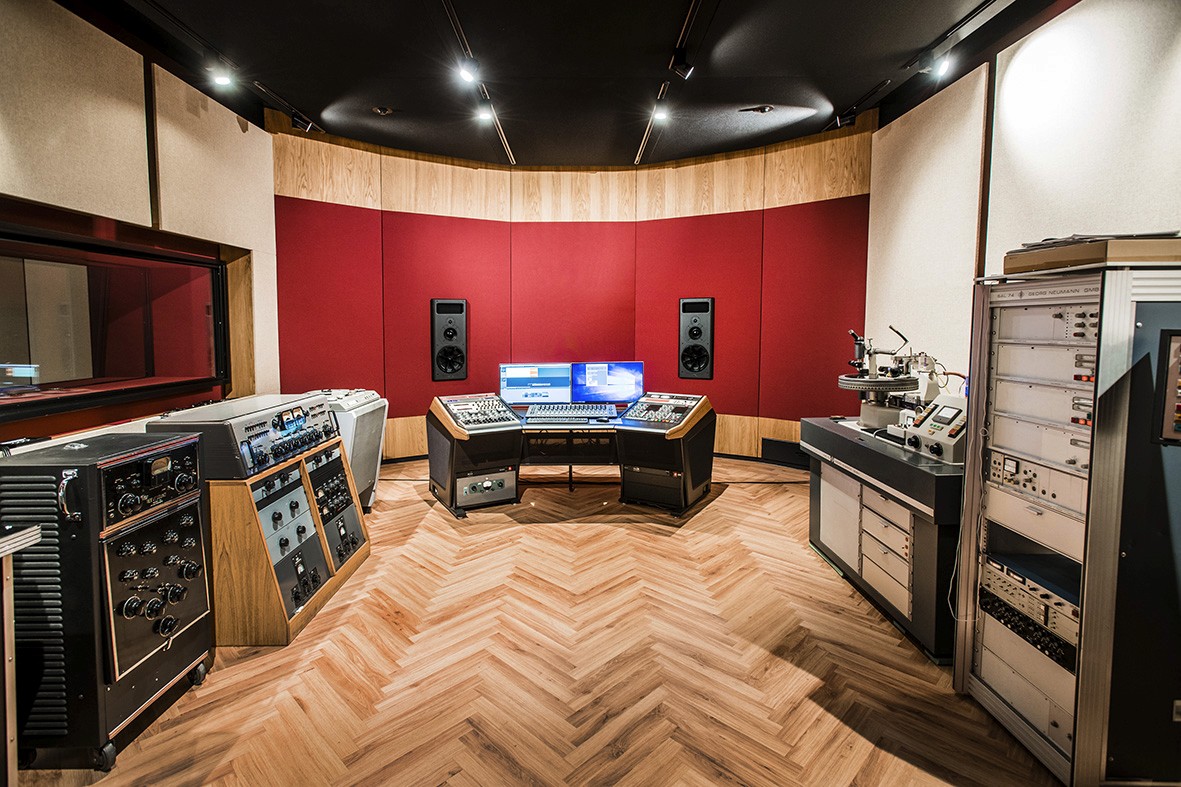
Artone studio: from vintage mastering and recording equipment to direct-to-disc (or tape) recordings

Sustainability and innovation: aiming for zero CO2 emissions
Vinyl production process.

From mastering to packaging, we handle every step of the production with a strong focus on skill and quality.
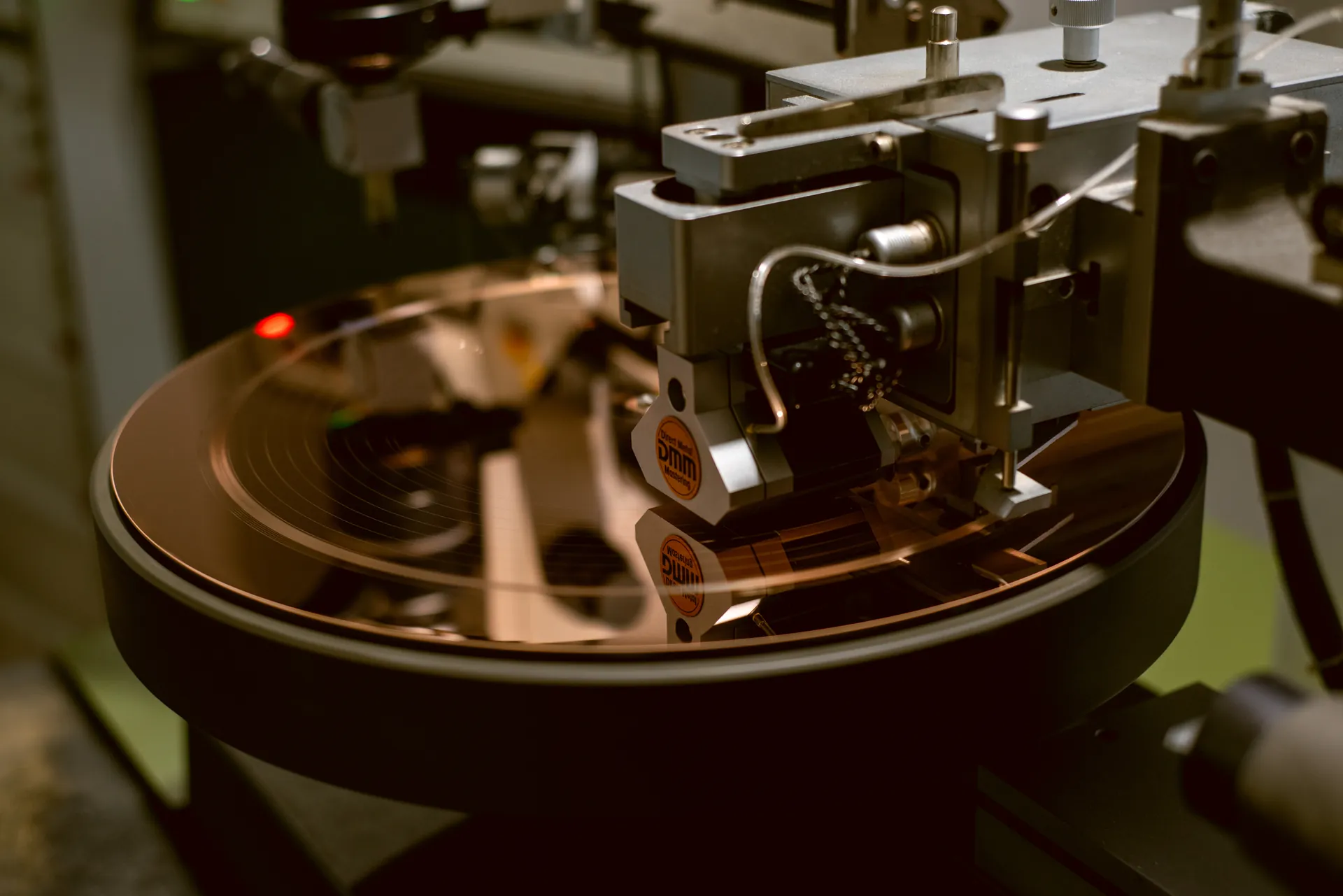
  • Cutting

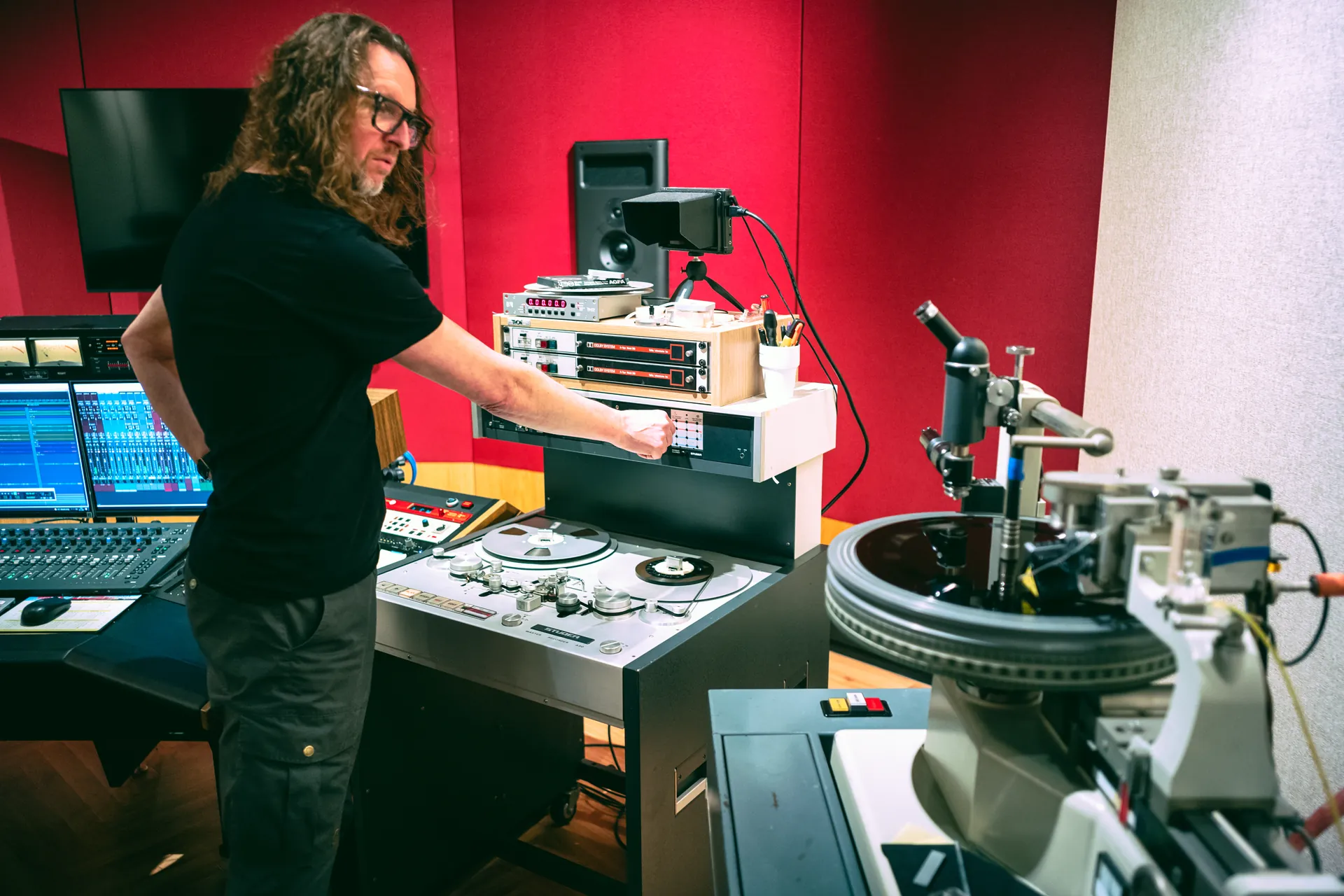
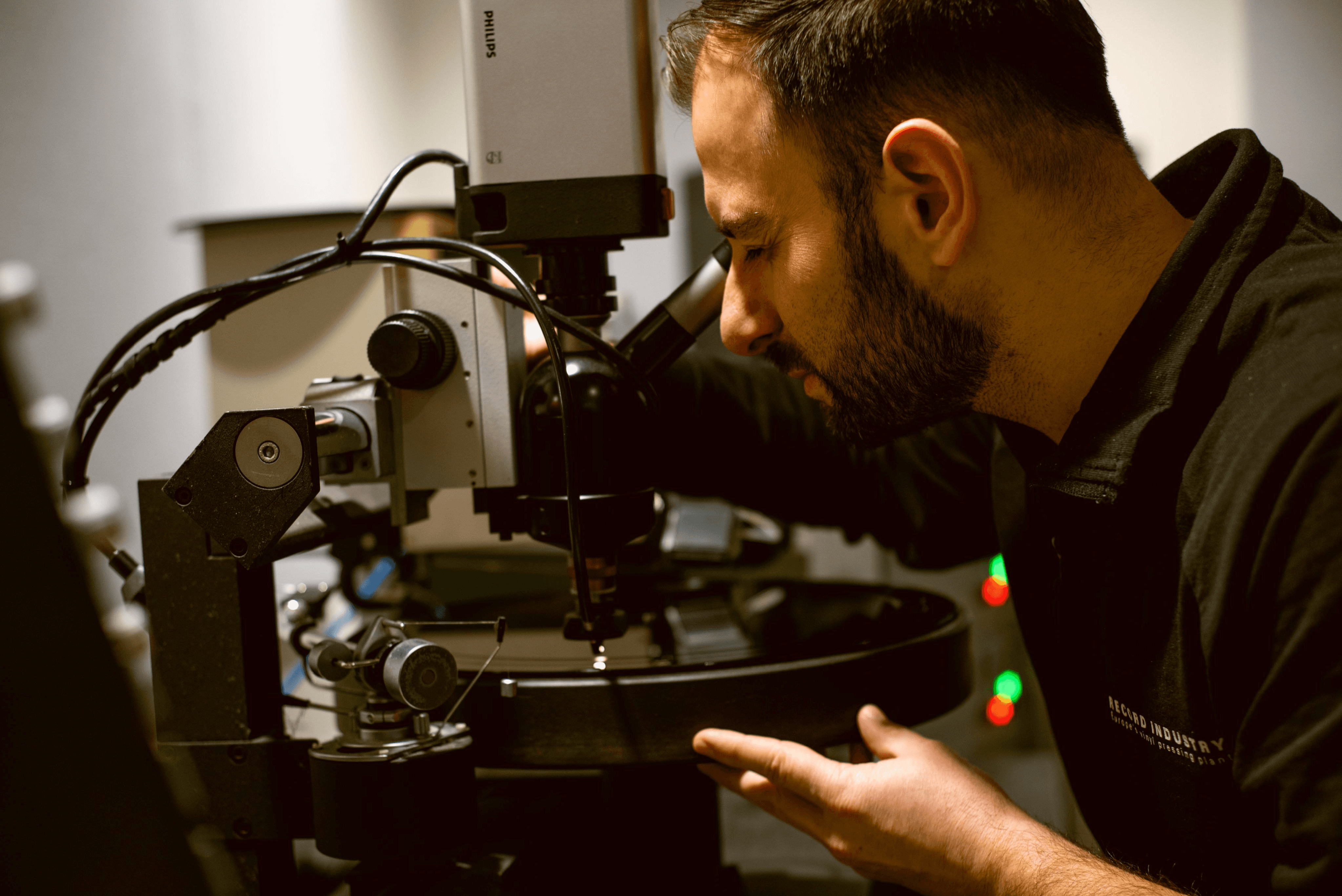
    Every vinyl record begins with sound. Mastered audio files are transferred via an amplifier to the cutting machines. Electrical impulses are cut into either a copper disc (DMM) or a lacquer using a diamond or sapphire stylus, which etches a groove into the surface layer. Two single-sided discs are cut for one record. After the cuts have been made and checked it’s handed over to the galvanic department.

  • Galvanics

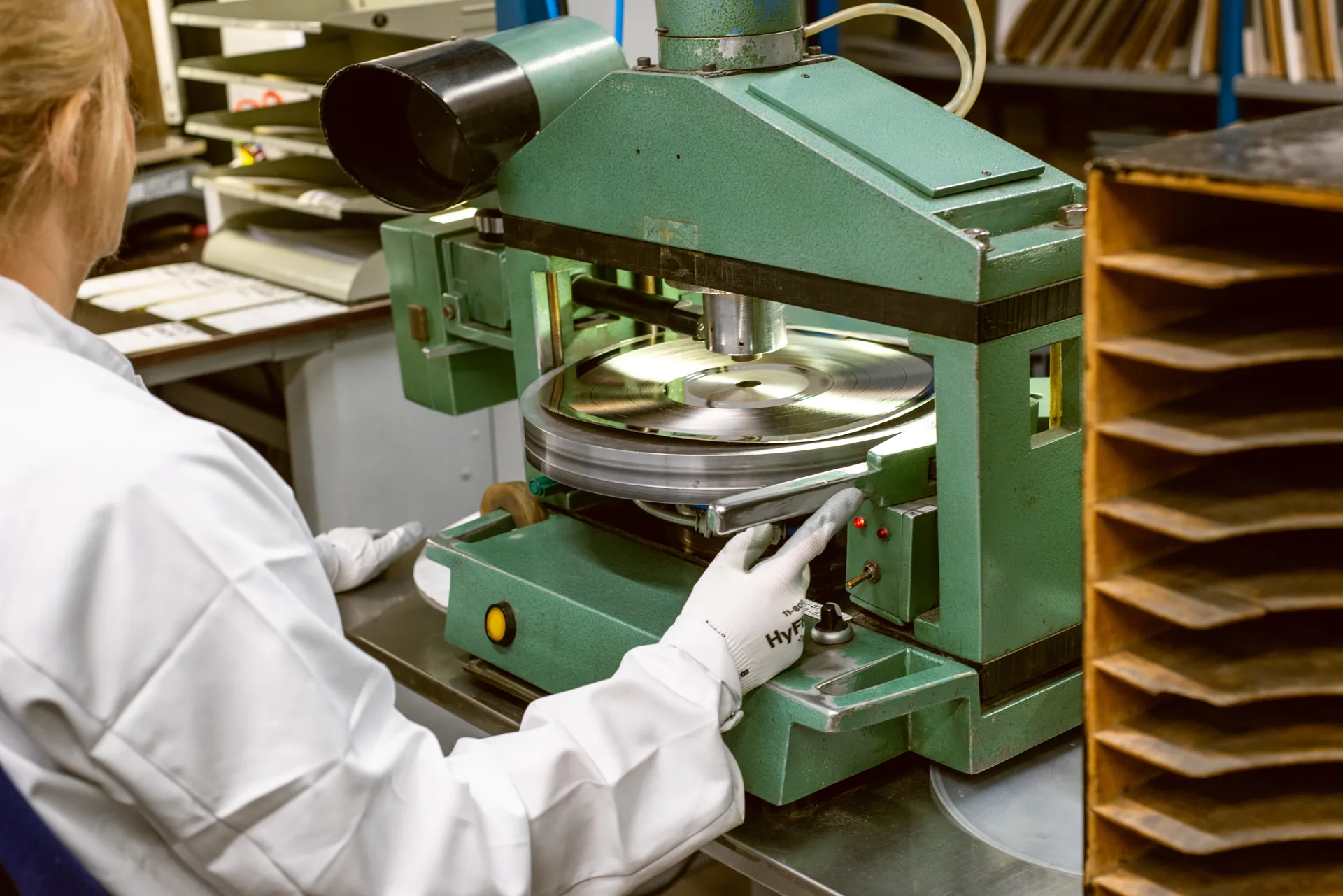
    Electroplating creates a thin nickel layer onto cut discs, capturing each groove precisely. Separating the nickel produces an exact negative of the disc, known as the father. A second electroplating creates a positive (the mother), which is then plated again to make the stamper—the mold used for pressing records.

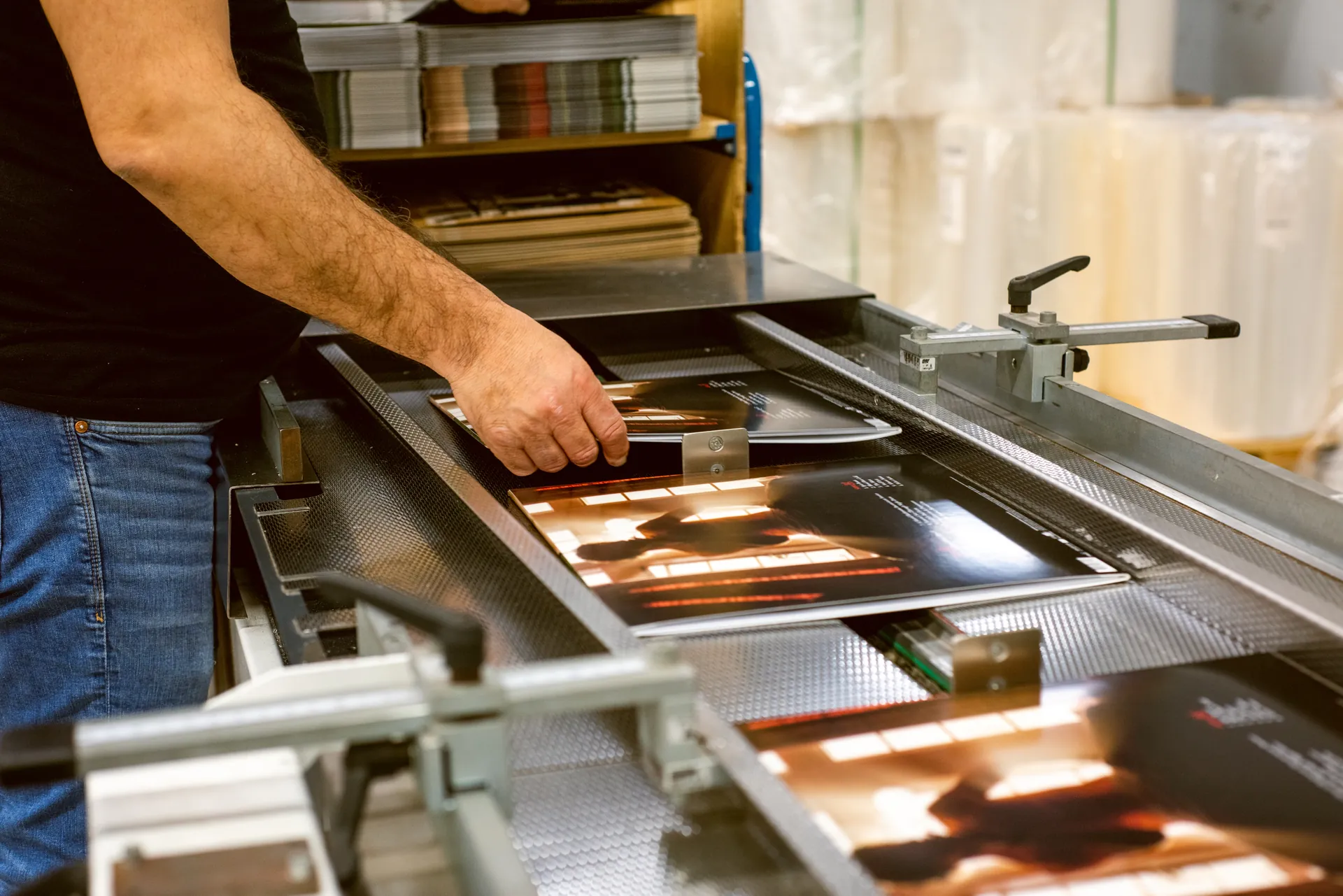
  • Print, Glue & Folding

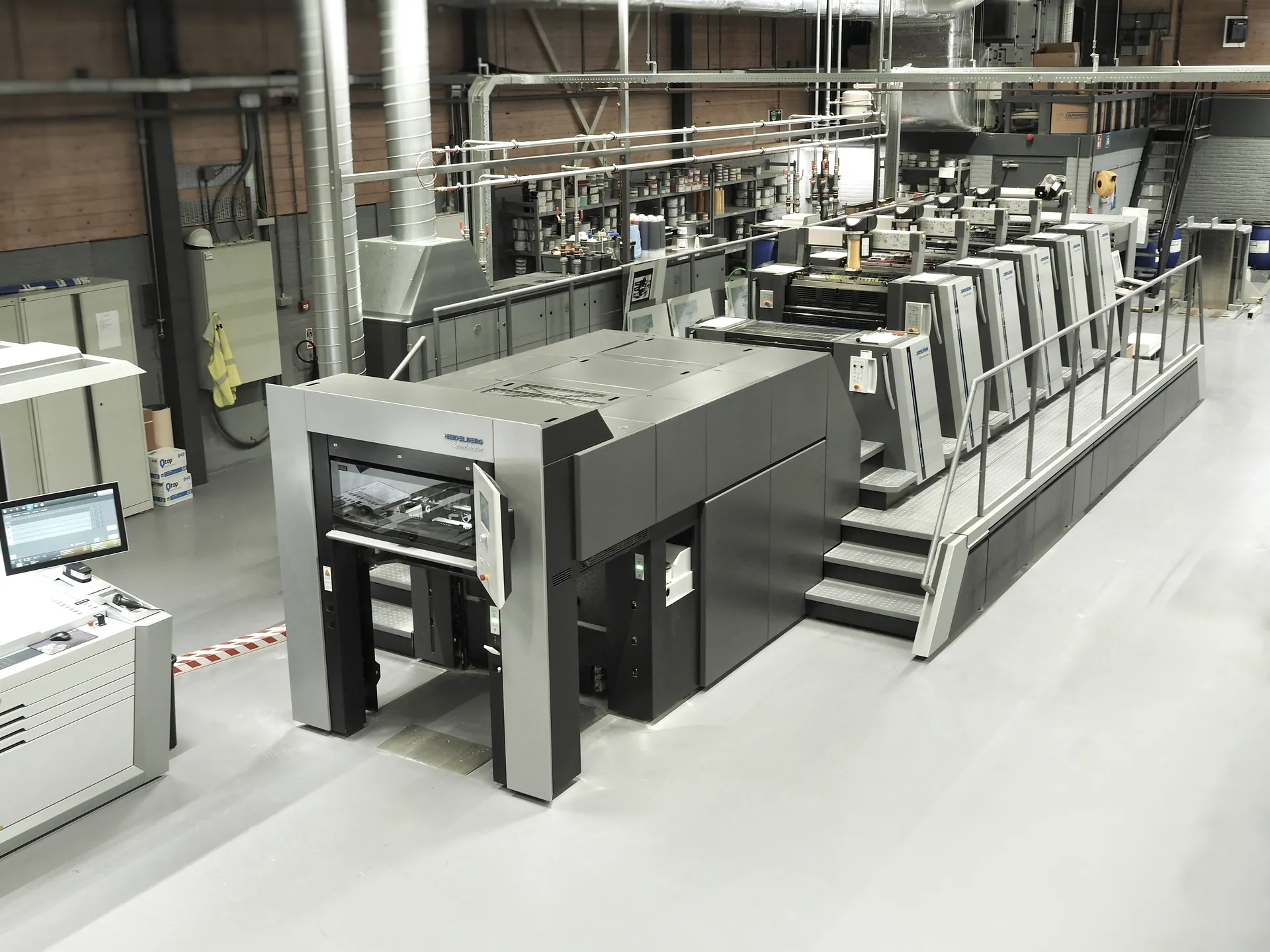
    Labels and sleeves are printed at StyleMathôt using offset printing for vivid colors and detail. Labels are made from heat-resistant paper, cut into circles, and punched for the spindle hole. Album sleeves are printed, then folded and glued into shape by machine.

  • Test Pressing & Quality Control

    Test pressings with white labels are produced for each new title or album cut. Our quality control team checks for defects, and the client reviews copies. Once approved, production starts.

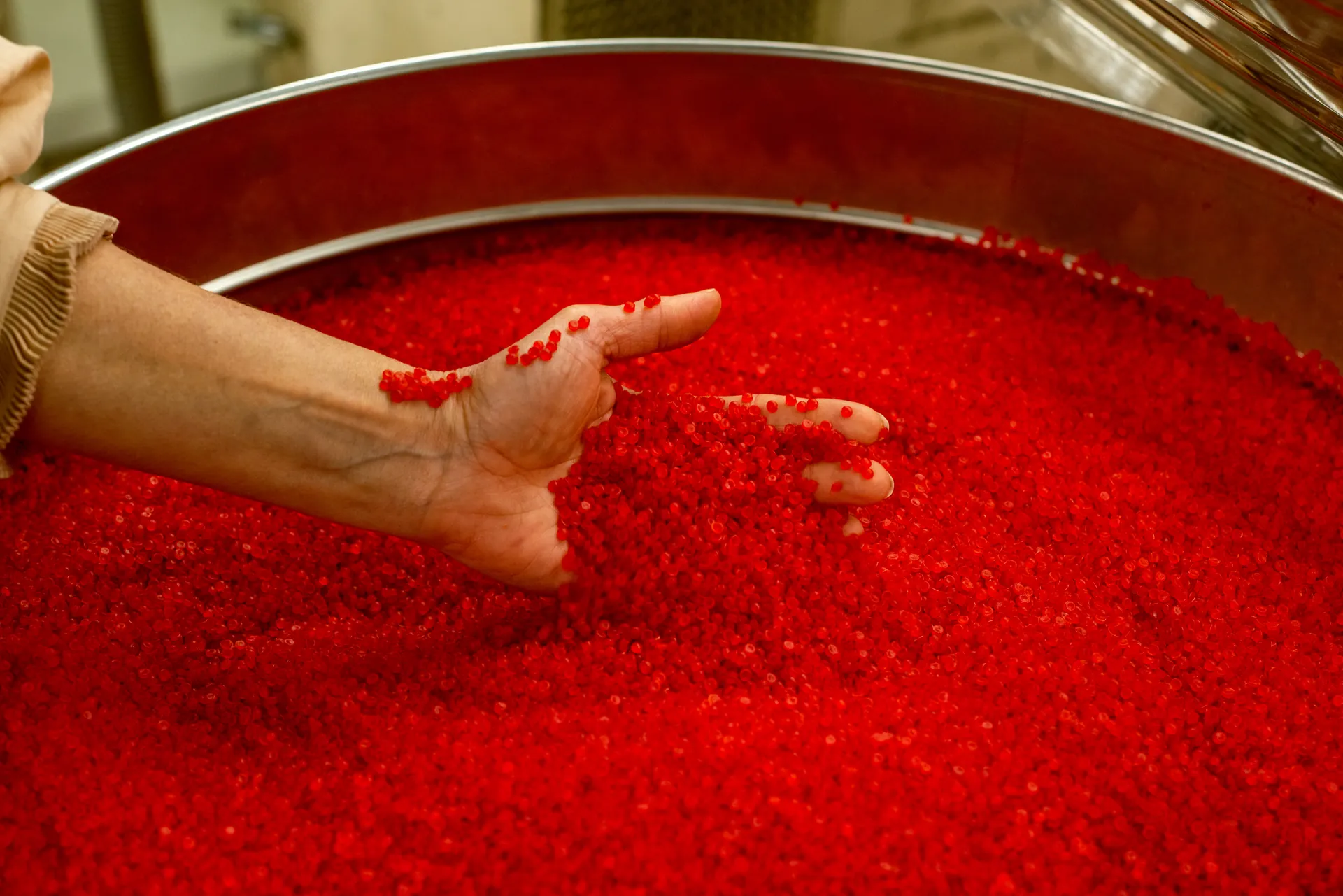
  • Pressing

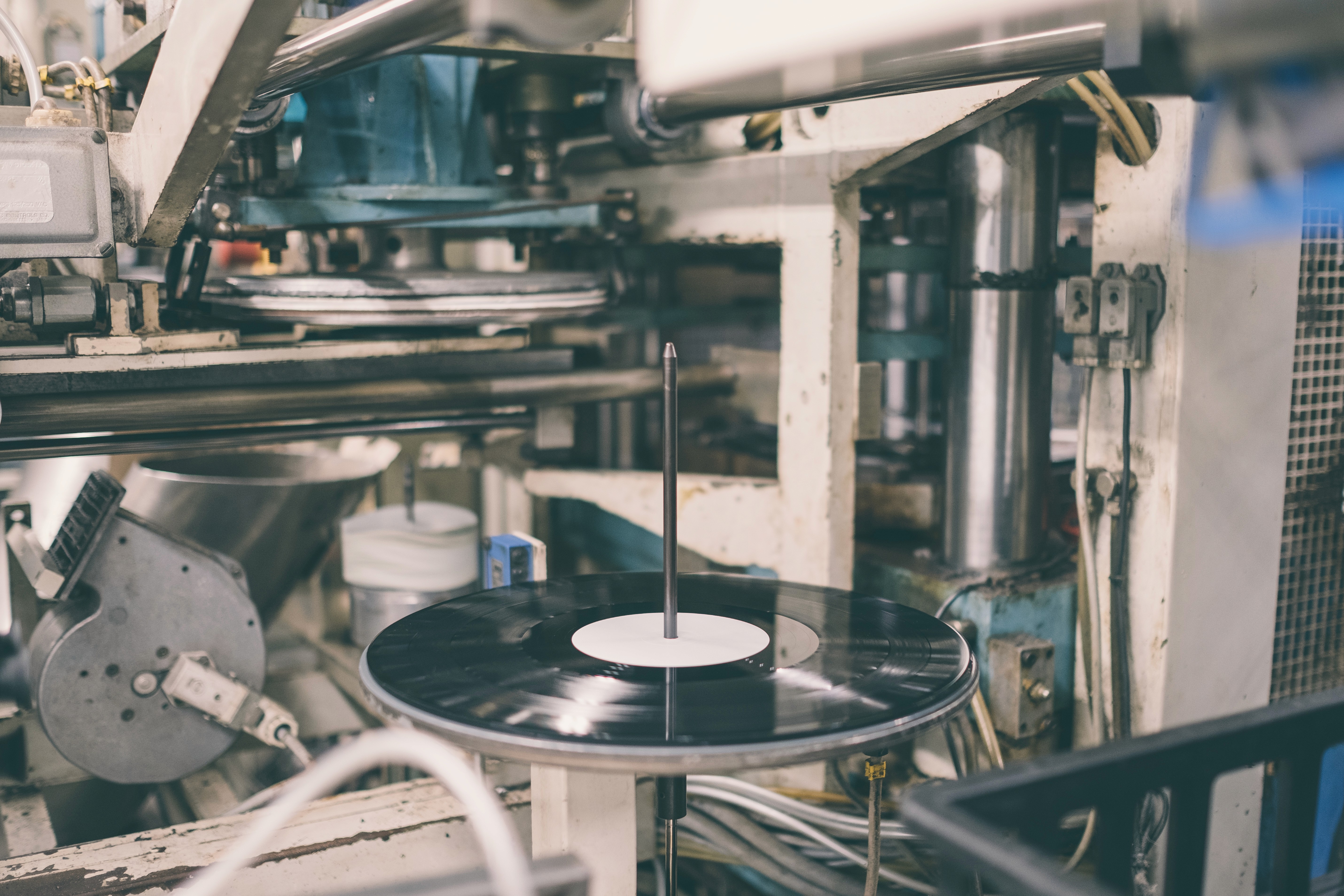
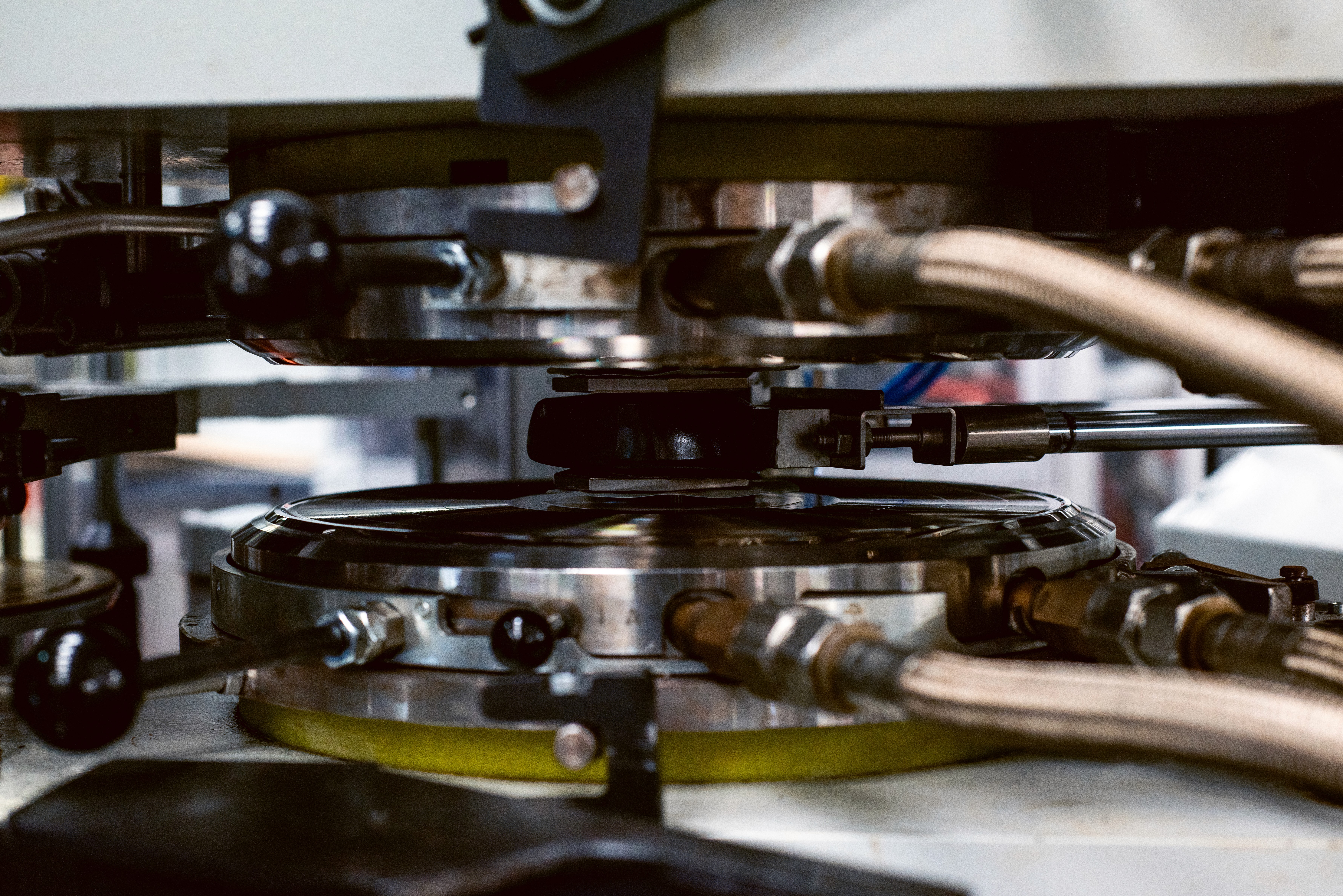
    The nickel stamper is fitted into the press, and heated PVC is placed between the stampers, together with the A and B labels. Steam heats the stampers while high pressure forms grooves in the vinyl for about 20 seconds. Excess vinyl is cut away, producing the finished record.

  • Packing & Distribution

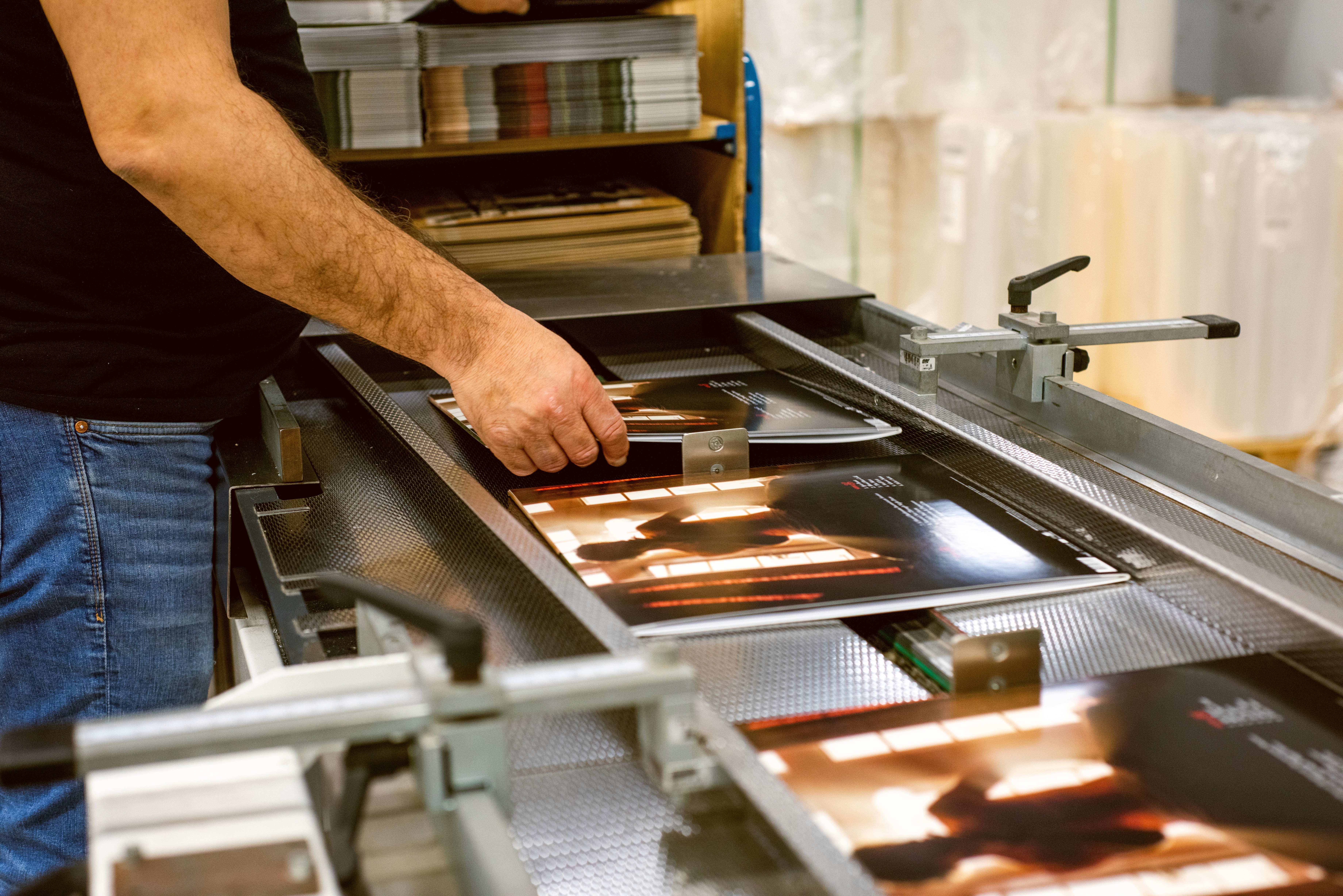
    Records are sleeved by machine, with extras like posters or art prints added for special editions, and for collectors, limited pressings can be uniquely numbered. Products sre then sealed in plastic wrap if needed and shipped from Record Industry to Bertus' warehouse or other global distributors, ready to be delivered to stores and consumers worldwide.

  • Artone Studio

    Our Artone Studio is the cherry on top. The name pays tribute to Record Industry’s roots in Haarlem, which date back to the 1950s when Artone was a pressing plant and record company. The studio houses a wide range of rare vintage mastering and recording equipment, combined with high-end modern technology. We also have the capability to record entirely on vintage valve equipment - much of which was used to record and master significant releases from the 1950s through to the 1970s. Our aim is to recapture the remarkable sound of the pre-transistor, pre-digital era, utilising one of the studio’s special features of direct-to-disc (or tape) recording.

  • Cutting

    Every vinyl record begins with sound. Mastered audio files are transferred via an amplifier to the cutting machines. Electrical impulses are cut into either a copper disc (DMM) or a lacquer using a diamond or sapphire stylus, which etches a groove into the surface layer. Two single-sided discs are cut for one record. After the cuts have been made and checked it’s handed over to the galvanic department.

  • Galvanics

    Electroplating creates a thin nickel layer onto cut discs, capturing each groove precisely. Separating the nickel produces an exact negative of the disc, known as the father. A second electroplating creates a positive (the mother), which is then plated again to make the stamper—the mold used for pressing records.

  • Print, Glue & Folding

    Labels and sleeves are printed at StyleMathôt using offset printing for vivid colors and detail. Labels are made from heat-resistant paper, cut into circles, and punched for the spindle hole. Album sleeves are printed, then folded and glued into shape by machine.

  • Test Pressing & Quality Control

    Test pressings with white labels are produced for each new title or album cut. Our quality control team checks for defects, and the client reviews copies. Once approved, production starts.

  • Pressing

    The nickel stamper is fitted into the press, and heated PVC is placed between the stampers, together with the A and B labels. Steam heats the stampers while high pressure forms grooves in the vinyl for about 20 seconds. Excess vinyl is cut away, producing the finished record.

  • Packing & Distribution

    Records are sleeved by machine, with extras like posters or art prints added for special editions, and for collectors, limited pressings can be uniquely numbered. Products sre then sealed in plastic wrap if needed and shipped from Record Industry to Bertus' warehouse or other global distributors, ready to be delivered to stores and consumers worldwide.

  • Artone Studio

    Our Artone Studio is the cherry on top. The name pays tribute to Record Industry’s roots in Haarlem, which date back to the 1950s when Artone was a pressing plant and record company. The studio houses a wide range of rare vintage mastering and recording equipment, combined with high-end modern technology. We also have the capability to record entirely on vintage valve equipment - much of which was used to record and master significant releases from the 1950s through to the 1970s. Our aim is to recapture the remarkable sound of the pre-transistor, pre-digital era, utilising one of the studio’s special features of direct-to-disc (or tape) recording.

  • Cutting

    Every vinyl record begins with sound. Mastered audio files are transferred via an amplifier to the cutting machines. Electrical impulses are cut into either a copper disc (DMM) or a lacquer using a diamond or sapphire stylus, which etches a groove into the surface layer. Two single-sided discs are cut for one record. After the cuts have been made and checked it’s handed over to the galvanic department.

  • Galvanics

    Electroplating creates a thin nickel layer onto cut discs, capturing each groove precisely. Separating the nickel produces an exact negative of the disc, known as the father. A second electroplating creates a positive (the mother), which is then plated again to make the stamper—the mold used for pressing records.

  • Print, Glue & Folding

    Labels and sleeves are printed at StyleMathôt using offset printing for vivid colors and detail. Labels are made from heat-resistant paper, cut into circles, and punched for the spindle hole. Album sleeves are printed, then folded and glued into shape by machine.

  • Test Pressing & Quality Control

    Test pressings with white labels are produced for each new title or album cut. Our quality control team checks for defects, and the client reviews copies. Once approved, production starts.

  • Pressing

    The nickel stamper is fitted into the press, and heated PVC is placed between the stampers, together with the A and B labels. Steam heats the stampers while high pressure forms grooves in the vinyl for about 20 seconds. Excess vinyl is cut away, producing the finished record.

  • Packing & Distribution

    Records are sleeved by machine, with extras like posters or art prints added for special editions, and for collectors, limited pressings can be uniquely numbered. Products sre then sealed in plastic wrap if needed and shipped from Record Industry to Bertus' warehouse or other global distributors, ready to be delivered to stores and consumers worldwide.

  • Artone Studio

    Our Artone Studio is the cherry on top. The name pays tribute to Record Industry’s roots in Haarlem, which date back to the 1950s when Artone was a pressing plant and record company. The studio houses a wide range of rare vintage mastering and recording equipment, combined with high-end modern technology. We also have the capability to record entirely on vintage valve equipment - much of which was used to record and master significant releases from the 1950s through to the 1970s. Our aim is to recapture the remarkable sound of the pre-transistor, pre-digital era, utilising one of the studio’s special features of direct-to-disc (or tape) recording.

Sustainability & innovation.

We are committed to meeting environmental requirements and have been working under Dutch law for years to reduce energy consumption and minimise CO2 emissions wherever possible.


Our goal is zero CO2 emissions. To get there, we use solar and wind energy for our production, carbon neutral gas, recycle all vinyl waste in-house, and provide both 100% recycled vinyl and bio vinyl, all without compromising on quality. At our StyleMathôt printing plant, all paper components are printed with vegetable-based bio inks on FSC-certified board.

Start your vinyl production.

From first idea to finished product, Record Industry has everything it takes to manufacture vinyl under one roof, including a recording studio and direct-to-disc facility. Whether you're an independent artist, a label, or a brand, our team is ready to support your project at every stage.

Start your production request today and discover how Record Industry can turn your release into a finished vinyl product. Get in touch to discuss timelines, options, and possibilities.
Address

Akeleibaan 59

2908 KA

Capelle aan den IJssel

The Netherlands

Subscribe to our newsletter

Join our newsletter to stay up to date on features and releases.

By subscribing you agree to with our Privacy Policy and provide consent to receive updates from our company.

© 2026 Artone. All rights reserved.